


Supporting food security in rural and remote communities in Canada
The Local Greens Initiative started at the LEARN Centre, an adult education and community support facility in Roblin, Manitoba. Located near the Manitoba-Saskatchewan border, approximately 450 kilometres northwest of Winnipeg, Roblin is considered a rural and somewhat remote community.
What began as a project to brighten the space and add interest to educational programming has grown into a productive community garden and food security initiative.
Combining a year-round indoor garden with an outdoor green space featuring raised beds and large tomato planters, the Local Greens Initiative has fostered community connections, wellness, and access to fresh produce since it began growing in 2024.
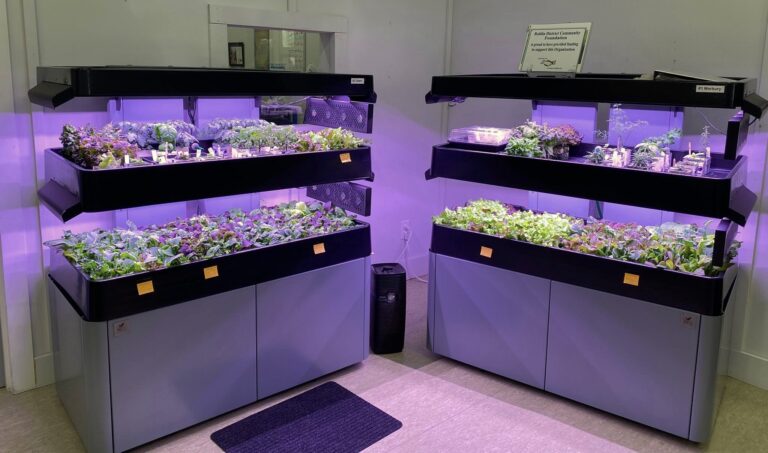
With two Terrace Pro indoor growing systems in place, the Local Greens Initiative grows baby salad greens, heads of lettuce, fresh herbs, cherry tomatoes, as well as a wide range of outdoor garden transplants in the spring.
Thanks to an enthusiastic grower and a community committed to food security and sustainability, a variety of local groups have benefited from the initiative.
Community Programs Supported by the Indoor Garden
Spoken Language Classes
Gardening connects cultures and helps overcome language barriers. The indoor garden has become a valuable tool for conversational English classes, providing opportunities for hands-on learning and community connection.
Time for Me Preschool Program
The initiative helps teach children and their parents about plants, food production, and the connection between growing food and good nutrition.
Community Fundraising Activities
Other local organizations have benefited from fresh herbs, garnishes, and decorative plant flourishes grown through the program for fundraising and community events.
GreenSpace Community Garden
Transplants started in the LEARN Centre’s Terrace Pro systems were planted in the town’s GreenSpace Community Garden. Harvested tomatoes and herbs were later donated to two local non-profit residential facilities.
Supporting the Local Food Bank with Fresh Produce
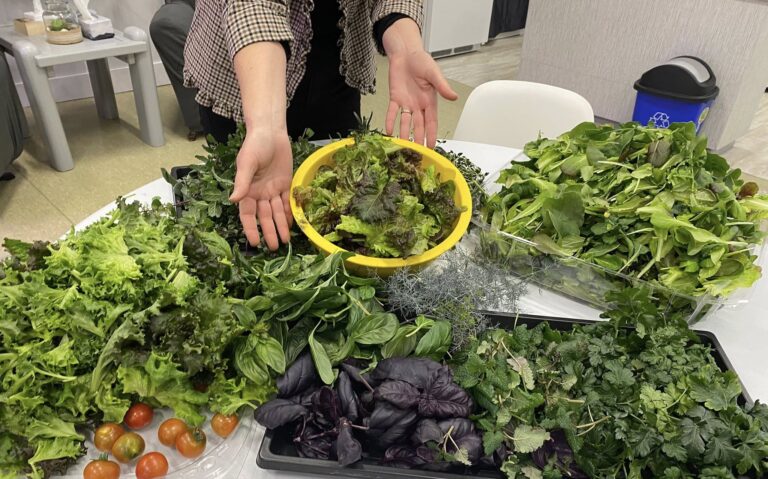
Perhaps the most impactful contribution from the initiative has been its partnership with the community food bank.
With more than 80 individuals registered, the Roblin Food Bank serves an average of 20 users every two weeks throughout the school year, operating from September through June. A welcome addition to the food bank’s dry goods, donated leafy greens from the LEARN Centre’s indoor gardens “get snapped up quickly,” according to volunteer Patti Kehrer.
“Recipients are excited to receive the delicious, fresh and ultra-local greens in their kits.”
LEARN began donating home-grown leafy greens, including baby leaf lettuces, microgreens, mesclun mixes, and occasionally even cherry tomatoes, in March 2025, when their second Terrace Pro Indoor Garden came online.
“It’s a privilege to be able to grow healthy food for our community,” says LEARN Coordinator Janet Wheaton. “Community outreach is an important activity for our centre, and it’s well worth the effort knowing that the greens are so appreciated.”
She adds that one of the adult learners at the Centre occasionally utilizes the local food bank. “Having her comment not only on the freshness, but also the colour, texture, and quality of the donated produce reinforces the need for more projects like these in other communities.”
Growing Food Safely and Locally
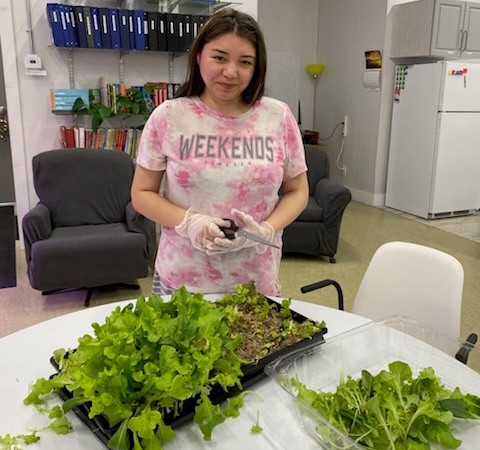
LEARN staff and students plant, grow, and harvest the greens while ensuring food-safe handling practices are followed. Each donated bag is labelled so recipients know what they are receiving, when it was harvested, and where it was grown.
Kehrer notes that the food bank operates in “pretty tight quarters,” and therefore does not have the space to host an indoor garden itself.
“Partnering with the LEARN Centre has been great. They have both the space and the staff to grow these delicious and nutritious greens. We just wish the harvests were bigger.”
The partnership demonstrates how community organizations can work together to improve access to fresh produce, even when one organization lacks the physical space or resources to grow food on-site.
Looking Ahead
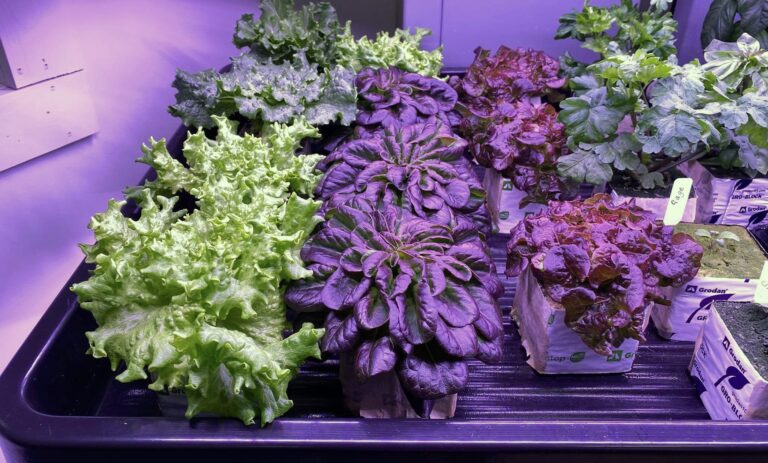
Looking ahead to Fall 2026, the LEARN Centre plans to increase its production of baby greens, including leaf lettuces and mesclun mixes, tailoring planting and harvest schedules to meet the needs of the food bank.
“Having the flexibility to grow what you want, when it’s needed, is a wonderful feature of the Terrace Pro Indoor Gardens,” notes Wheaton.
She adds, “Unfortunately, healthy, fresh greens that deliver nutritional benefits can be very expensive in a rural community like Roblin. We are very fortunate to be able to offer a solution in our community.”
The Local Greens Initiative is a strong example of how indoor gardening, community partnerships, and local food production can help strengthen food security while providing fresh, nutritious produce to those who need it most.
Interested in bringing fresh, locally grown produce to your food bank, community centre, school, or non-profit organization?
Indoor growing systems can help organizations produce nutritious greens year-round, support food security initiatives, and create meaningful community engagement opportunities. Contact us to learn how the Terrace Pro could help your organization grow more food for the people you serve.
PREVIOUS
 A Northern Manitoba Community is Growing 60 Heads of Lettuce Every Week
READ MORE
A Northern Manitoba Community is Growing 60 Heads of Lettuce Every Week
READ MORE
NEXT
School Spotlight: LunchLAB Garden Update May 2026 READ MORE